
Discover the best AI research and data analysis tools on ABC AI Tools. From literature search and paper summarization to data cleaning, visualization, predictive analytics, and spreadsheet automation, these tools help you turn information into insights faster.
Compare features, accuracy, integrations, and pricing side by side to find the right fit for researchers, analysts, students, and business teams. Every top AI research and analytics tool is curated in one place.
Start exploring and find the AI tool that turns questions into clear, reliable answers.

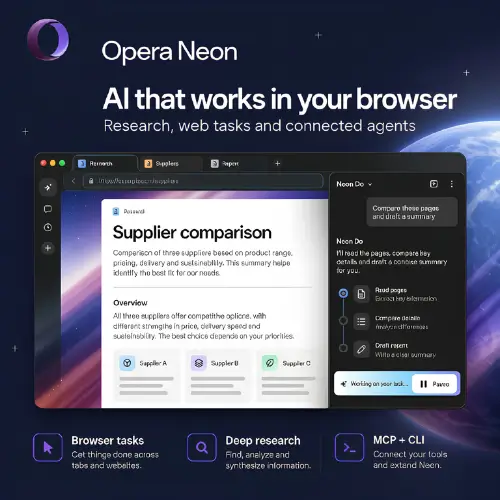

AI research and data analysis tools use machine learning and natural language processing to find, process, and interpret information at a speed no manual workflow can match. They can scan thousands of papers, summarize long reports, clean messy datasets, spot trends, and explain results in plain language. The goal is to shorten the path from question to answer while improving the quality of the insights you get.
The category covers both research and analytics. Research assistants search academic databases, summarize papers, extract key findings, and help with citations and literature reviews. Document tools answer questions from PDFs, reports, and long files. Data analysis tools clean and organize datasets, run statistical analysis, and build charts and dashboards from simple prompts. Others support predictive modeling, spreadsheet and SQL automation, survey and sentiment analysis, market and competitor research, business intelligence, and automated report writing.
Start with your main task, whether that is finding sources, analyzing a dataset, or building reports. Compare accuracy, transparency, and whether the tool shows its sources or reasoning so you can verify results. Check which file types and data sources it supports, such as CSV, Excel, PDFs, SQL databases, and APIs. Consider ease of use for non-technical users, collaboration features, and export options. Data security is critical when working with confidential or proprietary information, so review privacy policies, encryption, and retention practices. Pricing ranges from free tools with usage limits to professional and enterprise plans.
Ask clear, specific questions and provide context about your data, goals, and audience. Start with clean, well-structured files, and request step-by-step explanations so you understand how conclusions were reached. Use AI to speed up the heavy lifting, then apply your own expertise to interpret the findings.
AI can misread data, overlook context, or occasionally cite sources that do not exist. Always check important claims against original sources, validate calculations, and review methodology before using results in publications, reports, or business decisions. Be careful when uploading sensitive or regulated data.
We bring together the most useful and current AI research and data analysis tools in one organized place. Each listing includes key features, pricing, pros and cons, and practical use cases, so you can compare quickly and choose with confidence. Whether you need a quick paper summarizer or a full analytics platform, you will find options for every skill level and budget.
Start exploring and find the AI tool that turns questions into clear, reliable answers.
